Guide
How to Find the Best Local Car Deals in 2026
A comprehensive guide on tracking dealership inventory, spotting price drops, and negotiating the best deal on your next vehicle.
By Motorscrape Team
Finding a great deal on a car requires patience, research, and the right tools. Dealerships constantly adjust their prices based on time on the lot, market demand, and end-of-month quotas.
1. Track Days on Lot
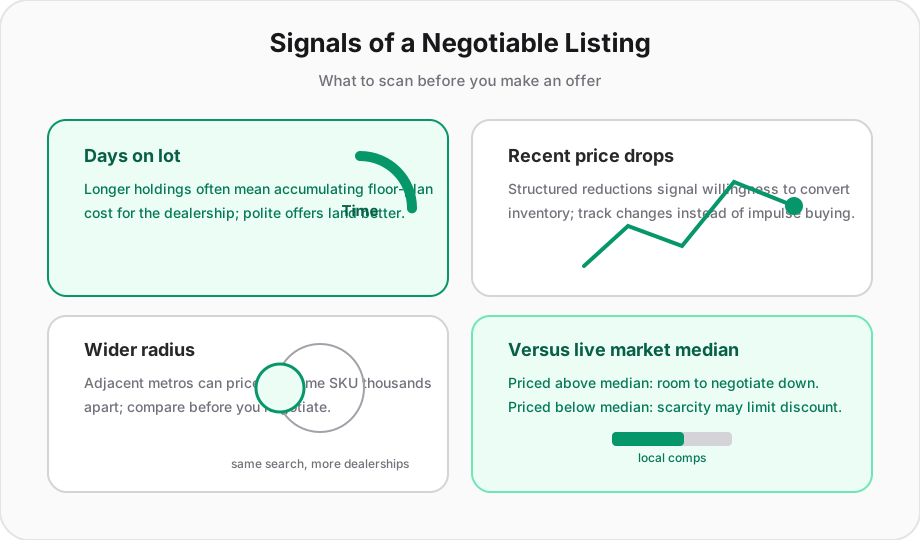
The longer a vehicle sits on a dealer's lot, the more motivated they are to sell it. Floor plan financing costs dealerships money for every day a car goes unsold. By using tools like Motorscrape to track the "Days on Lot" metric, you can identify vehicles that have been sitting for 60+ days. These are prime candidates for negotiation.
2. Monitor Price Drops
Dealerships often systematically reduce prices on aging inventory. If you find a vehicle you like, don't buy it immediately. Save the search and monitor the price history. If you see a pattern of price drops, you might be able to negotiate an even lower price by making an offer just below the current asking price.
3. Look for "In-Transit" Inventory
Many buyers only look at what's currently sitting on the lot. However, dealerships often have vehicles "In-Transit" from the factory. If you're willing to wait a few weeks, you can sometimes secure a better deal on an incoming vehicle, especially if it helps the dealer hit a future sales target.
4. Expand Your Search Radius
Don't limit yourself to the dealership down the street. Expanding your search radius by just 50 miles can reveal significantly better deals or more inventory options. Motorscrape allows you to search across multiple dealerships simultaneously, making it easy to compare prices across a wider geographic area.
5. Understand Market Valuation
Always compare the asking price to the local market median. If a car is priced 5% above the market average, you have strong leverage to negotiate it down. Conversely, if a car is already priced 5% below market, it might be a "Great Deal" that won't last long.