Guide
How to Buy a Boat in 2026: A Practical Buyer's Guide
From choosing the right hull and power for your waters to surveys, pricing seasonality, insurance, and closing paperwork — what to know before you sign.
By Motorscrape Team
Buying a boat is less like buying a car and more like buying a house that sits in salt spray or lake water: the purchase price is only the entry fee. Use this playbook to pick the right vessel, avoid expensive surprises, and close with confidence.
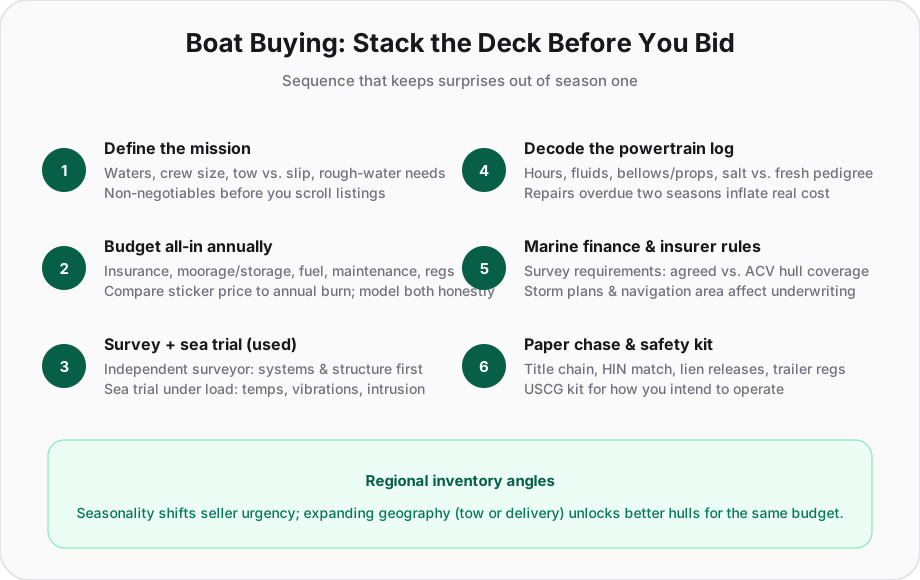
1. Start With the Mission, Not the Listing
Boats are purpose-built. A flats skiff, a pontoon party barge, and a coastal cruiser solve different problems — and carry different ownership costs.
- Where will you run? Protected lakes and slow rivers favor different hulls than open bays or offshore passes. Rough-water capability, draft, and beam all follow from geography.
- How many people, how often? Occasional sunset cruises vs. every-weekend fishing trips change seating, storage, and engine duty cycles.
- Tow vs. slip: Trailered boats shift costs toward tow vehicles, ramps, and storage at home; slip-kept boats shift costs toward dock fees, shore power, and anti-fouling.
Write down non-negotiables before you scroll inventory. That single step prevents impulse buys that look cheap at the dock and expensive at the mechanic.
2. New vs. Used: Depreciation Still Bites
New boats offer warranties and factory freshness; used boats offer slower depreciation — but hidden maintenance can erase the savings overnight.
- New: Strongest when you want warranty coverage, known service history from hour zero, and a configured build — expect the steepest first-season depreciation.
- Late-model used (roughly 2–6 seasons): Often the sweet spot if hours are moderate, maintenance records exist, and a survey comes back clean.
- Older projects: Tempting on price, brutal on systems (electrical, steering, bellows, canvas, upholstery). Budget time as well as money.
If you are buying used fiberglass or composite hulls beyond casual lake use, treat a professional survey as part of the purchase budget, not an optional extra.
3. The Survey and Sea Trial Are Non-Negotiable for Most Buyers
For any meaningful used purchase — especially saltwater or high-horsepower — hire an independent marine surveyor (your lender or insurer may require it anyway). A survey covers structure, decks, hull integrity, electrical, safety gear, serials, and often engine health indicators. Follow it with a sea trial under load: watch temperature, oil pressure, trim response, vibration, and water intrusion at speed.
Bring a checklist mindset: cosmetics are cheap; transom softness, saturated stringers, chronic water in the bilge, and corroded hub or electrical issues are not.
4. Read the Powertrain Like an Aircraft Logbook
Outboards, sterndrives, and inboards each carry maintenance rituals. Request service records, confirm engine hours against age, and understand whether the boat lived in salt, brackish, or fresh water.
- Verify compression or professional diagnostics if the seller cannot document major service.
- Inspect props, lower units, steering systems, and bellows on sterndrives — deferred items here cause tow bills.
- Ask about fuel type, ethanol policy, and winterization history in cold climates.
If something “just needs a small fix” but has been un-fixed for two seasons, assume the real bill is larger than quoted.
5. Budget the True Cost of Ownership Before You Bid
Sticker price understates boating. Model annual costs honestly:
- Insurance — hull, liability, towing; geography and hurricane zones move premiums sharply.
- Storage and moorage — slip, lift, rack, or trailer parking.
- Maintenance and consumables — oils, filters, zincs, impellers, belts, batteries, canvas, detailing.
- Fuel — plan at real-world cruise throttle, not brochure economy.
- Registration, documentation, and taxes — rules vary by state; larger vessels may qualify for U.S. Coast Guard documentation alongside state registration where applicable.
If the all-in annual number makes you uneasy, downsize the boat or postpone — the water is more fun without a payment you stretched to afford.
6. Financing and Insurance: Marine Is Not Auto
Marine lending and underwriting differ from car loans. Rates, amortization, and required insurance minimums vary with loan size, age of vessel, and where it is berthed.
- Get pre-approved where possible; compare marine lenders and credit unions.
- Ask lenders up front what they require for survey, titling, and naming the loss payee on the policy.
- Expect insurers to care about operator experience, navigation area, storm plan, and storage.
Read the fine print on agreed value vs. actual cash value — the wrong policy can leave you underwater literally and financially after a total loss.
7. Seasonality and Negotiation Leverage
In seasonal markets, demand peaks in spring. Sellers who listed late or need to unload before winter storage often have more room to negotiate. That does not guarantee a fire sale every fall — but it explains why patience and comparison shopping matter.
Expand your geography: a few hours of towing or a one-way captain delivery can unlock a better hull for the same money. Motorscrape's marine dealers directory is a useful starting point to discover retailers and brokers in your region; pair that with classifieds and broker networks for the broadest view of what is actually moving.
8. Paperwork and Final Walk-Away Checks
Before you pay, insist on clean title chain, documented lien releases, and accurate Hull Identification Number matches everywhere. Confirm trailers are titled/registered where required, with working lights and brakes suited to the rig’s weight.
At closing, verify USCG-required safety equipment for the intended operation, batteries, chargers, bilge pumps, navigation lights, and anchor ground tackle. Launch once in controlled conditions before planning a holiday weekend crossing.
Boats reward buyers who prepare: define the mission, validate the hull and powertrain with professionals, budget honestly, and negotiate with patience. Do that, and the first season is about sunsets and wake spray — not surprise invoices.