Guide
How to Negotiate With a Dealer When You Have VIN History & NeoVIN Data
A practical playbook for using vehicle history reports and OEM-style VIN decode (including MarketCheck NeoVIN) calmly and credibly—so you negotiate on facts, protect yourself from mismatched listings, and improve your odds of a fair price.
By Motorscrape Team
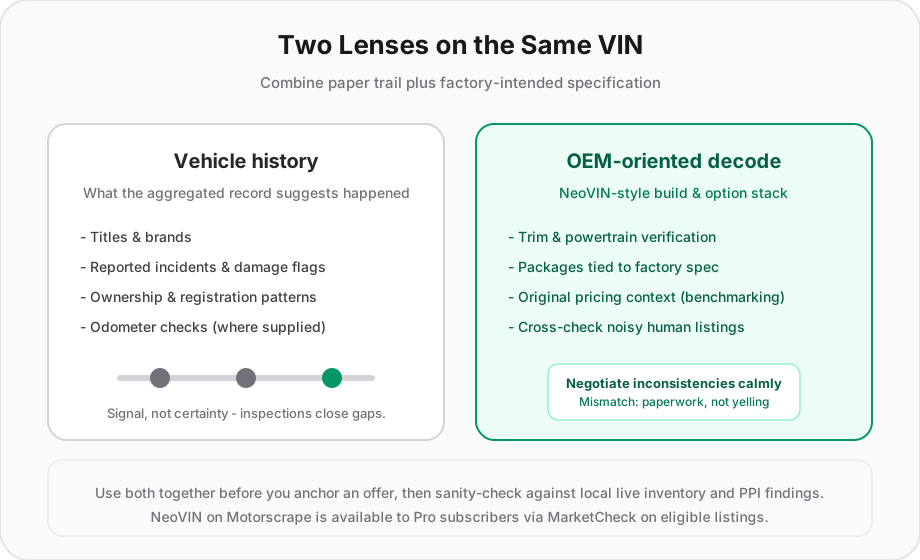
Dealership negotiation goes better when you stop debating opinions and start comparing documents. A vehicle history report answers “what happened to this car?” (titles, incidents, registrations, auction flags). A rich VIN decode—including MarketCheck-style NeoVIN OEM build data—answers “what did the factory intend this vehicle to be?” (trim, packages, typical MSRP, equipment). Together they rarely tell you magic numbers dealers must accept, but they do tell you whether the listing is truthful, whether risk is priced in, and whether you have a factual reason to pause or discount.
This guide assumes you already pulled at least one history report from a reputable source and—where available—a NeoVIN or similar decode before you negotiate. Motorscrape Pro subscribers can open NeoVIN on eligible listings alongside live inventory comparisons; combine that with your own history purchases. Nothing here is legal or financial advice—dealers operate under state law, lender rules, and their own floors.
1. Separate Facts From Story
Before you walk in or email an offer:
- Inventory vs. decode. Compare the advertised trim, packages, drivetrain, and key options to what the decode shows for that exact VIN. Small human errors happen; large mismatches (wrong engine, claimed package not on build) are negotiating material because they affect resale and comparables.
- History vs. today. Reports can lag, omit non-reported incidents, or show a clean record that still hides paintwork. Treat history as signal, not a guarantee. When something material appears—a branded title note, mileage concern, structural flag—verify with inspection and the seller’s written explanation.
- What you will not get from data alone. No report replaces a pre-purchase inspection (PPI) by an independent shop. Price negotiation is easier when your “ask” is tied to a specific line item: reconditioning, title risk, or equipment mismatch.
2. What to Look For in VIN History (Negotiation-Relevant)
Focus on items that change value or financing eligibility:
- Title brands (salvage, rebuilt, flood, lemon buyback where disclosed) often reduce value sharply and may limit lenders. If the listing is vague but the report is not, you need clarity in writing—not a hallway assurance.
- Accident/damage indicators vary in severity; use them to justify professional inspection, not instant demands. Serious structural or airbag history deserves a lower price *or* a pass.
- Odometer anomalies—not just rollback flags, but patterns inconsistent with timelines—warrant escrow of discount until verified.
- Ownership and use cues (fleet, rental, taxi in some pipelines) influence buyer pools; acknowledge them without hostility: “Given the documented use segment, here is where I see comps trading.”
3. How NeoVIN-Style Decode Strengthens Your Position
NeoVIN and similar OEM-oriented decodes help you negotiate equipment truth and realistic benchmarks:
- MSRP and packages anchor what the vehicle *was*, not necessarily what it is worth *now*—pair with mileage, condition, and local comps. Still, when a dealer inflates rarity (“fully loaded Platinum Reserve Ultra”), the factory option stack is a sober counterweight.
- Trim verification avoids paying for trim you are not receiving. If the window sticker is missing, decode plus history helps you reconstruct the narrative.
- Listing confidence / match metadata on some platforms tells you how tightly a listing was tied to a real unit. Low confidence does not prove fraud; it proves you should verify before wiring money.
On Motorscrape, NeoVIN is a Pro feature powered by MarketCheck; if you use it, export or screenshot the decode you rely on so your notes stay consistent across multiple dealership contacts.
4. Conversation Scripts That Stay Professional
Negotiation is not a deposition. Calm, specific language preserves relationships and manager approvals:
- Equipment mismatch: “We’re comparing VIN `XXXX` to the listing. The decode shows [X engine / Y package] but the ad shows [different]. Can you confirm with the used car manager and send the window sticker or build sheet? I’d like the offer to reflect the as-built equipment.”
- History item: “The history report shows [event] on [date]. What documentation do you have for repairs or title follow-up? I’m adjusting my offer to account for inspection cost and market discount for that segment.”
- Need time: “I’m not asking you to fix the past—I’m pricing risk. I’ll have my shop inspect [specific areas] and come back with a firm number or pass.”
Avoid ultimatums on day one; competing quotes from other dealers, days-on-lot pressure, and end-of-period timing amplify data without yelling.
5. Turning Data Into Numbers (Without Fantasizing)
Work backward from live market comps—the same trims and mileage bands you can surface with Motorscrape searches:
1. Comparable band: Establish a fair range from several local listings with similar equipment *as verified*.
2. Adjustments: Subtract reasonable amounts for undisclosed-but-visible reconditioning, branded title penalties (often large—research your market), accident severity (after PPI), or material equipment gaps.
3. Out-the-door focus: Negotiate total out-the-door; data supports the vehicle price line item first.
If the dealer proves the listing was wrong accidentally and corrects pricing downward, acknowledge it—goodwill sometimes converts to better trades or accessory credits.
6. Common Mistakes Buyers Make With Reports
- Weaponizing jargon. Phrases like “this VIN failed” alienate desks. Lead with observable facts.
- Confusing NMVTIS with every event. Reporting gaps exist; inspections close the gap.
- Letting NeoVIN MSRP dominate. MSRP informs original content, not tomorrow’s wholesale bid.
- Skipping the written trail. Email summaries of what you were told after phone calls; keep PDFs of reports dated at inspection time.
7. When to Walk Away
Walk when: the story keeps changing, documentation is refused, title issues are unexplained, or your inspection finds discrepancies the dealer will not price in. Data makes walking less emotional—you are not “being difficult”; you are following the file.
Bottom Line
VIN history tells you what the paper trail suggests happened. NeoVIN-style decode tells you what the VIN was built to be. Use both to demand consistency, price risk, and align offers with real comparables. Pair every report with inspection and patience, and you will negotiate from a position Google’s readers—and serious dealers—respect.
For live local inventory pressure (days on lot, price movement, cross-dealer quotes) alongside NeoVIN on supported listings, use Motorscrape search and your own history stack—then let the numbers do the talking.